Get Gas Line Capping
Gas line capping services involve local contractors safely disconnecting or sealing gas lines to prevent leaks during property renovations, repairs, or decommissioning projects.
Property owners considering gas line modifications or upgrades often explore capping services to ensure safety and compliance. Whether planning a renovation, preparing a property for sale, or simply removing unused gas lines, professional capping offers a practical solution to prevent leaks and hazards. Local contractors experienced in gas line work can provide the expertise needed to handle these projects efficiently, helping property owners make informed decisions while maintaining safety standards.
Comparing options among nearby service providers allows property owners to find the right fit for their specific needs. Many local contractors offer reliable gas line capping services designed to accommodate various property types and project scopes. Continuing to explore these options can help ensure the work is performed properly, giving peace of mind as part of your planning process.
- Gas line capping for property abandonment - needed when a property is being vacated or demolished to safely seal off unused gas lines.
- Emergency gas line capping services - required when a gas leak or damage necessitates immediate sealing of the gas supply.
- Gas line capping during home renovations - performed when modifying or removing existing gas lines as part of remodeling projects.
- New gas line installation capping - used to temporarily or permanently seal off sections of new gas lines during construction.
- Gas line capping for safety compliance - necessary to meet safety standards when gas lines are no longer in use or need to be decommissioned.
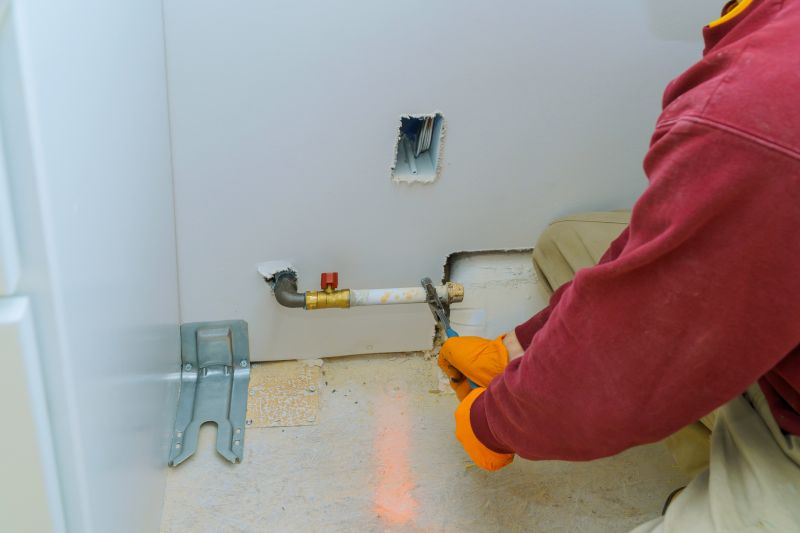
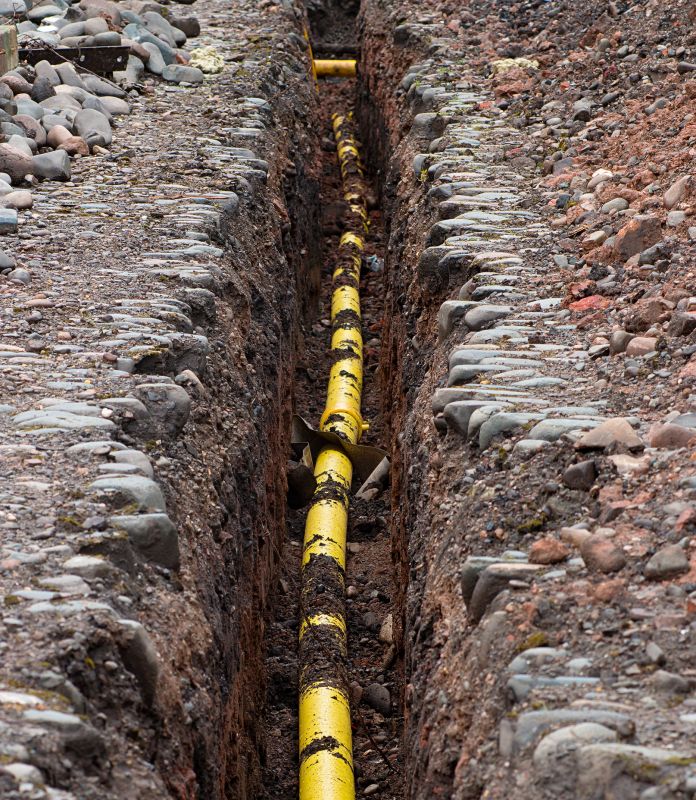
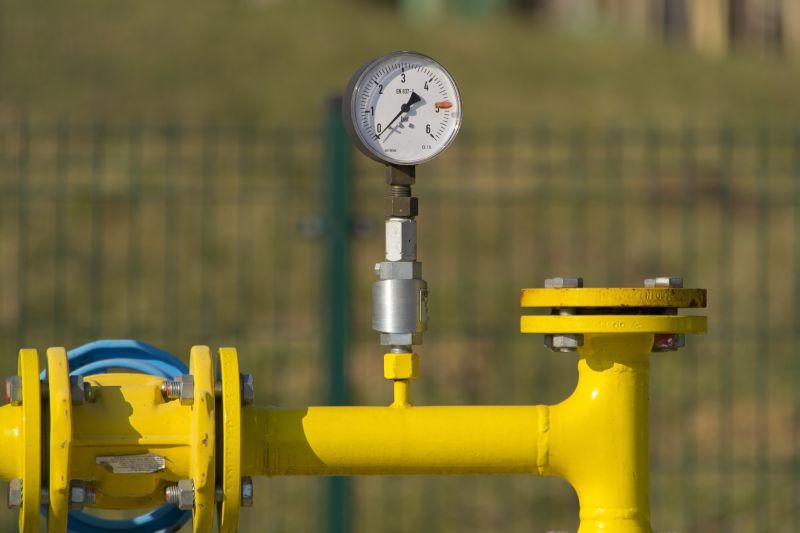
Gas line capping services involve safely sealing off an unused or decommissioned gas line to prevent leaks and ensure safety. This process typically includes removing any remaining gas, inspecting the pipe for damage, and securely sealing the opening with appropriate fittings. Proper capping helps eliminate potential hazards associated with abandoned or unused gas lines, reducing the risk of gas leaks that could lead to fire, explosion, or health issues. These services are essential when a property is undergoing renovations, being prepared for sale, or when a gas line is no longer needed but remains connected to the main supply.
Many problems can arise if unused gas lines are left uncapped. Over time, unsealed or improperly sealed lines can develop leaks, which may go unnoticed until a dangerous situation occurs. Gas leaks can cause health issues, such as headaches, dizziness, or respiratory problems, and pose significant fire hazards. Additionally, abandoned lines that are not properly capped can lead to increased utility costs if they inadvertently allow gas to escape. Properly capping these lines helps prevent these issues, providing peace of mind for homeowners and property managers alike.
Properties that commonly require gas line capping include residential homes, especially those undergoing remodeling or renovation projects. Commercial buildings and rental properties may also need this service when updating infrastructure or preparing spaces for new tenants. Additionally, vacant properties or those being sold often have unused gas lines that need to be securely sealed. Regardless of the property type, ensuring that gas lines are properly capped is a practical step toward maintaining safety and compliance with local regulations.
When considering gas line capping, it’s important to work with experienced local contractors who understand the specific requirements of your property. These professionals can assess the condition of existing lines, determine the best sealing methods, and perform the work efficiently. Homeowners should contact reputable service providers to handle this task, especially if they are planning renovations, selling a property, or simply want to ensure that any unused gas lines are safely sealed off. Properly capping gas lines is a straightforward way to help protect property and personal safety over the long term.
The overview below groups typical Gas Line Capping projects into broad ranges so you can see how smaller, mid-sized, and larger jobs often compare in your area.
In many markets, a large share of routine jobs stays in the lower and middle ranges, while only a smaller percentage of projects moves into the highest bands when the work is more complex or site conditions are harder than average.
Smaller Repairs - Typical costs for minor gas line capping jobs usually range from $250 to $600. Many routine projects fall within this middle range, depending on the complexity of the work and local rates.
Moderate Projects - Medium-sized jobs, such as capping multiple lines or working in tight spaces, often cost between $600 and $1,200. These projects are common and represent a significant portion of service requests.
Large or Complex Jobs - Larger projects, including extensive line modifications or work in challenging environments, can range from $1,200 to $3,000 or more. Fewer projects fall into this high-cost tier, but they are necessary for more involved tasks.
Full Replacement or Custom Work - Complete gas line capping or custom installations typically start around $3,000 and can exceed $5,000 for highly complex or extensive projects. Such jobs are less frequent but require detailed planning and specialized expertise.
Actual totals will depend on details like access to the work area, the scope of the project, and the materials selected, so use these as general starting points rather than exact figures.
Gas Line Removal Projects - Local contractors experienced in gas line capping often handle gas line removal, requiring similar planning and safety precautions.
Underground Utility Capping - Capping or disconnecting other underground utilities like water or sewer lines involves comparable skills and site assessments.
Gas Appliance Installation - Installing or disconnecting gas appliances involves understanding gas line connections and ensuring safe, secure fittings.
Pipe Repair and Replacement - Repairing or replacing damaged pipes shares techniques with gas line capping, including the use of specialized tools and safety protocols.
Excavation for Utility Work - Excavation projects for utility upgrades or repairs require planning and safety measures similar to those for gas line capping.
Leak Detection and Repair - Identifying and fixing gas leaks involves skills in system inspection and safe handling, relevant to capping services.
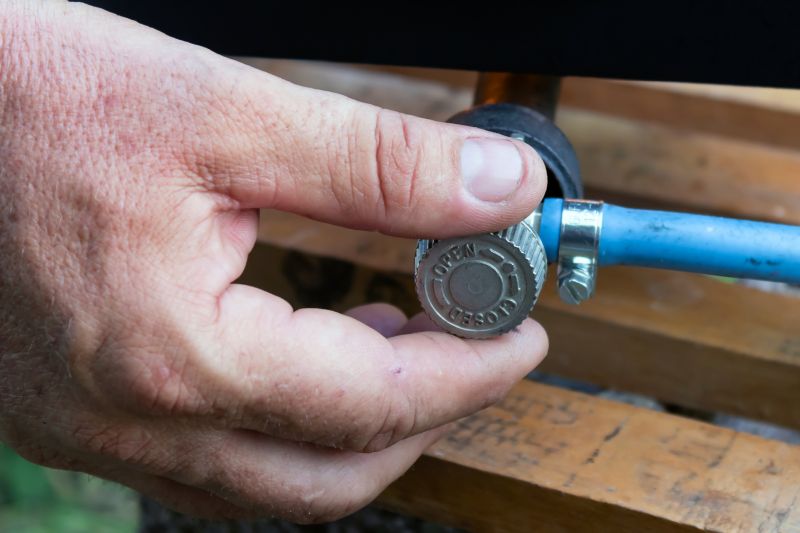
When comparing service providers for gas line capping, it’s important to consider their experience with similar projects. Homeowners should look for local contractors who have a proven track record of handling gas line modifications or terminations, as this indicates familiarity with the specific requirements and safety considerations involved. Asking about the types of projects they have completed can help gauge their expertise and ensure they are well-versed in the nuances of gas line capping jobs similar to the one at hand.
Clear, written expectations are essential to avoid misunderstandings and ensure the project proceeds smoothly. Homeowners should request detailed descriptions of the scope of work, the materials that will be used, and the steps involved in the process. Reputable service providers will be transparent about what is included in their service and any potential limitations. Having this information in writing helps set realistic expectations and provides a reference point throughout the project.
Good communication and reputable references are key indicators of a reliable contractor. Homeowners are encouraged to seek out local service providers who can provide references from past clients with similar projects. Speaking with previous customers can offer insights into the contractor’s professionalism, responsiveness, and overall quality of work. Effective communication ensures that questions are answered promptly and that any concerns are addressed early, fostering a positive working relationship. Keep in mind that this site introduces homeowners to local options for gas line capping services but does not perform the work itself.
Property owners use Gas Line Capping services for practical projects around their homes and businesses. This guide focuses on everyday jobs and straightforward project options.
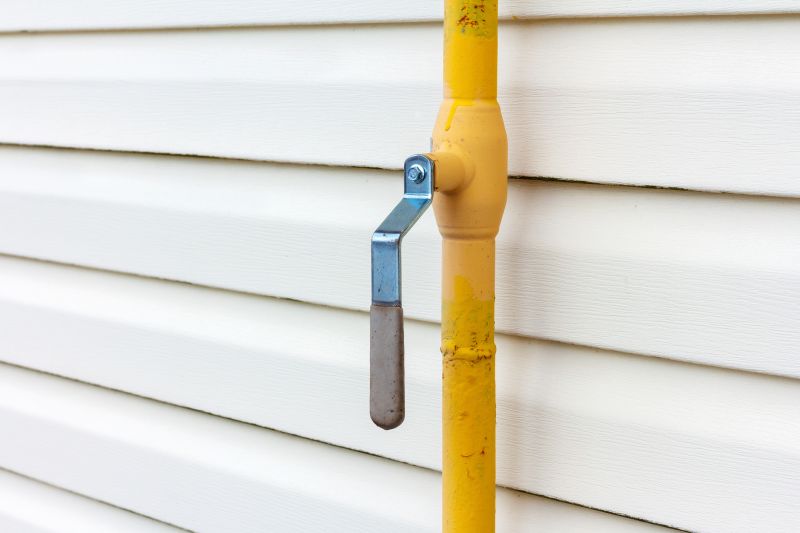
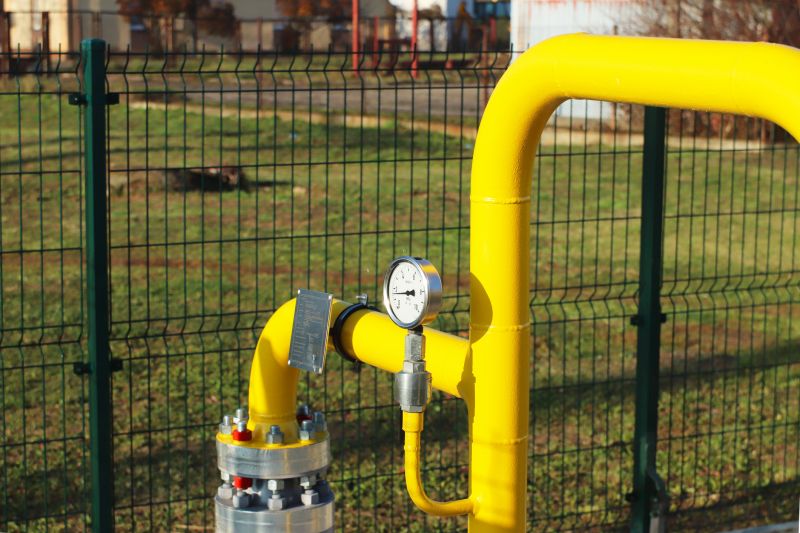
Gas line capping services are often needed during property renovations, upgrades, or when old gas lines are no longer in use. Property owners might seek out local contractors to safely and effectively seal off unused gas lines to prevent leaks or potential hazards. This work is common in situations where appliances are being removed, replaced, or when preparing a property for sale, ensuring the gas system is secure and compliant with safety standards.
In other cases, property owners may require gas line capping when performing remodeling projects or addressing issues with existing gas infrastructure. Local service providers can handle these tasks efficiently, providing peace of mind that the gas lines are properly capped and no longer pose a risk. Connecting with trusted local contractors ensures the work is done correctly, whether for routine maintenance or specific project needs.
What is gas line capping? Gas line capping involves sealing off an unused or damaged gas line to prevent leaks and ensure safety.
Why might I need gas line capping services? Gas line capping is often needed during renovations, repairs, or when removing a gas appliance to ensure the line is safely closed off.
How do local contractors perform gas line capping? Experienced service providers use specialized fittings and techniques to securely seal gas lines according to safety standards.
Is gas line capping a safe and reliable solution? When performed by qualified local contractors, gas line capping is a standard method to safely deactivate a gas line.
How can I find local pros for gas line capping? This website helps connect homeowners with trusted service providers who specialize in gas line capping and related services.
Property Renovation Projects - When updating or remodeling a property, property owners can have gas lines safely capped to prepare for new installations or redesigns.
Gas Line Abandonment - If a gas line is no longer needed or poses safety concerns, local contractors can handle capping to ensure the line is securely shut off.
Emergency Repairs - In case of a gas leak or damage, property owners can seek professional capping services to quickly and safely stop gas flow.
New Construction or Additions - During building projects, gas lines can be capped temporarily or permanently as part of the construction process.
If you are thinking about Gas Line Capping for a property, this guide is meant to help you understand the work, the typical project types, and how different options might fit your plans.
When you are ready, you can use the quote form on this page to share a few details about your project. From there, local pros can review the basics and respond with options that match what you have in mind.