Basement Plumbing Installation in Denver, CO
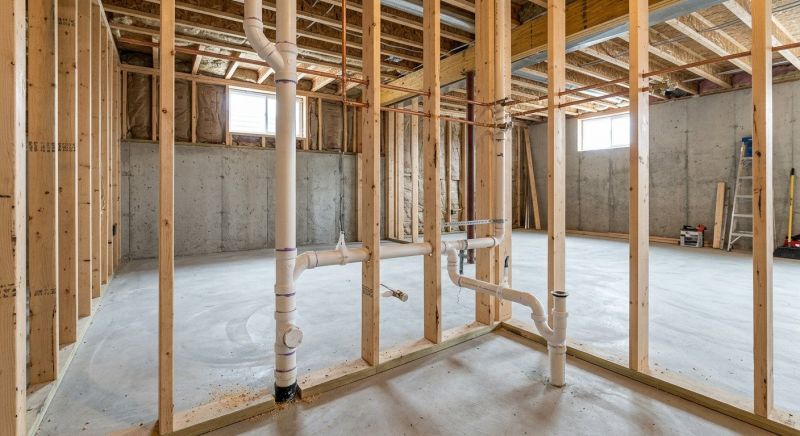
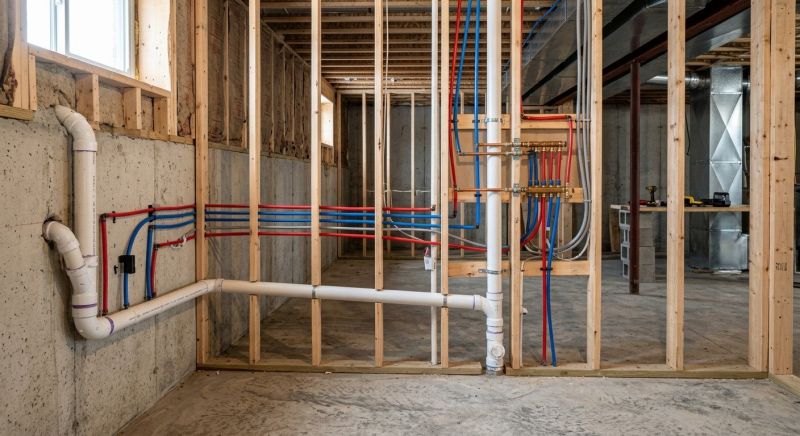
Basement plumbing installation services involve setting up the necessary piping and fixtures to support plumbing systems in a basement space. This can include installing new water supply lines, drainage pipes, sump pumps, and utility connections tailored to the specific needs of a property. Projects often range from finishing a basement with a bathroom, laundry area, or wet bar, to retrofitting existing spaces to improve functionality or address plumbing upgrades. Property owners typically want to understand the scope of work, the materials used, and how the new plumbing will integrate with existing systems to ensure reliable performance and compliance with local standards.
Before requesting basement plumbing installation, homeowners should consider the layout of their basement, the intended use of the space, and any existing plumbing infrastructure. It’s helpful to clarify whether the project involves new construction or renovations, and to specify any fixtures or appliances that will be connected. Understanding the plumbing needs upfront can assist in planning for proper drainage, water supply, and venting, ensuring the completed installation meets both functional and code requirements. Proper planning can also help prevent future issues such as leaks, clogs, or inadequate water flow.
Many property owners in Denver, CO look into Basement Plumbing Installation for repairs, replacements, upgrades, and appearance-related improvements.
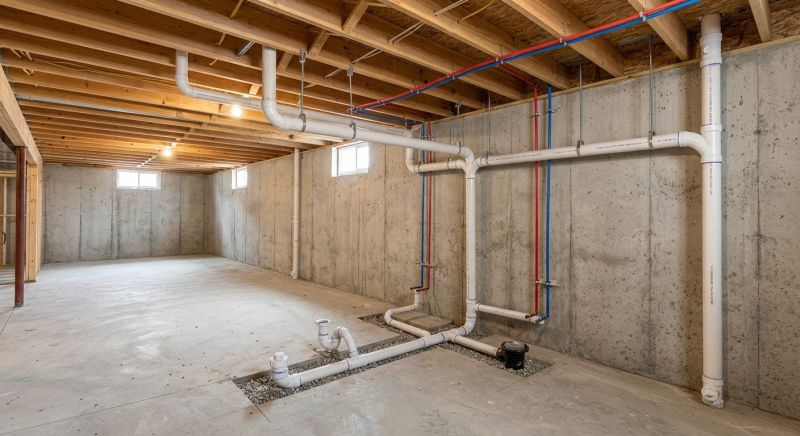
Basement Plumbing System Design
Proper planning ensures reliable plumbing for future basement upgrades and conversions.
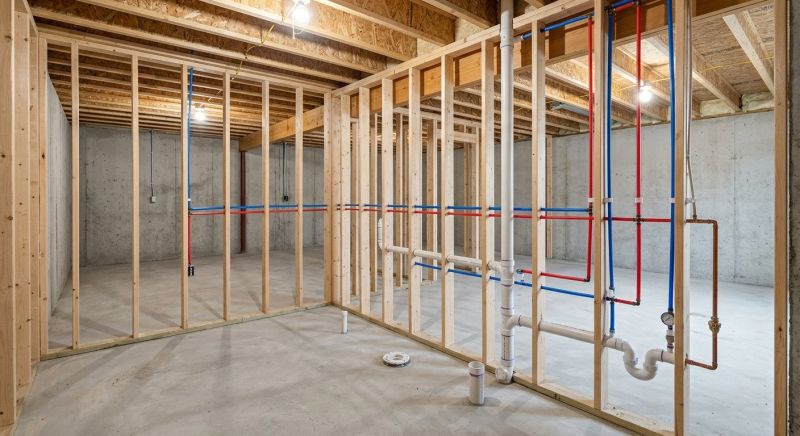
Installation Of Pipes And Fixtures
Professional installation provides efficient water flow and reduces the risk of leaks in your basement.
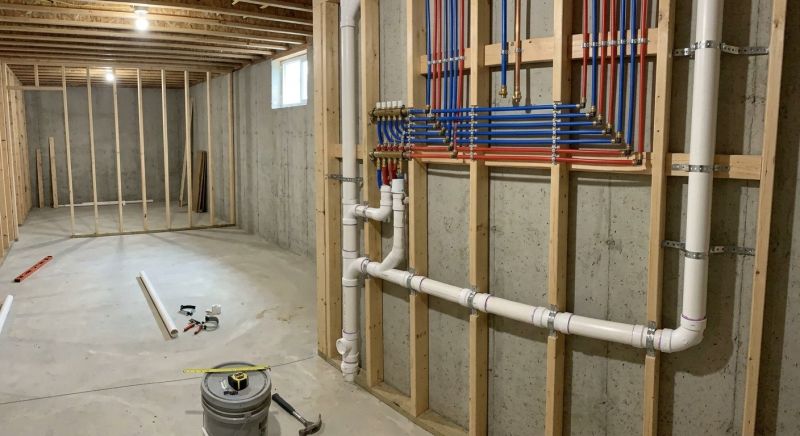
Code-Compliant Plumbing Solutions
Ensuring all plumbing work meets local building codes helps protect property value and safety in denver area homes.
Basement Plumbing Installation in Denver, CO
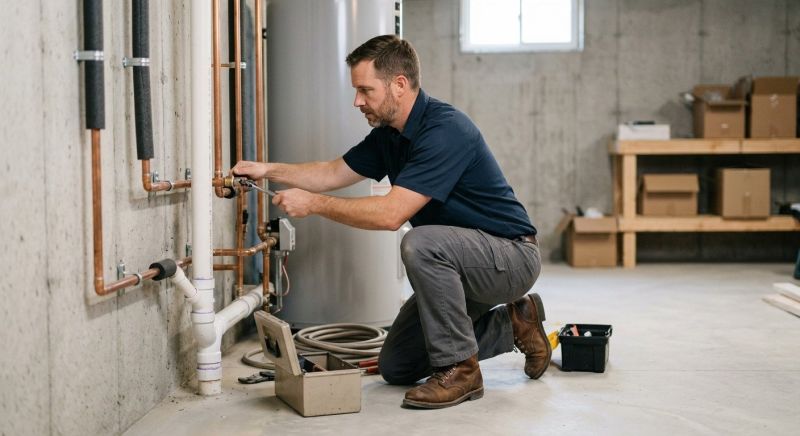
Basement plumbing installation services involve setting up the necessary piping and fixtures to support plumbing systems in a basement space. This can include installing new water supply lines, drainage pipes, sump pumps, and utility connections tailored to the specific needs of a property. Projects often range from finishing a basement with a bathroom, laundry area, or wet bar, to retrofitting existing spaces to improve functionality or address plumbing upgrades. Property owners typically want to understand the scope of work, the materials used, and how the new plumbing will integrate with existing systems to ensure reliable performance and compliance with local standards.
Before requesting basement plumbing installation, homeowners should consider the layout of their basement, the intended use of the space, and any existing plumbing infrastructure. It’s helpful to clarify whether the project involves new construction or renovations, and to specify any fixtures or appliances that will be connected. Understanding the plumbing needs upfront can assist in planning for proper drainage, water supply, and venting, ensuring the completed installation meets both functional and code requirements. Proper planning can also help prevent future issues such as leaks, clogs, or inadequate water flow.
Many property owners in Denver, CO look into Basement Plumbing Installation for repairs, replacements, upgrades, and appearance-related improvements.
Common Basement Plumbing Installation Jobs
Basement Bathroom Plumbing - installing and upgrading plumbing for new or existing basement bathrooms.
Drain Line Installation - setting up reliable drain lines to prevent backups and leaks.
Sump Pump Systems - installing sump pumps to manage basement water and moisture.
Water Supply Lines - running new water lines to basement fixtures and appliances.
Fixture Replacement - replacing or upgrading sinks, toilets, and other plumbing fixtures.
Leak Detection and Repair - identifying and fixing leaks to protect basement structures.
Basement Plumbing Installation Questions
What types of basement plumbing installations are common? Typical projects include installing new sump pumps, water lines, laundry hookups, and bathroom fixtures.
How can I tell if my basement plumbing needs upgrading? Signs include persistent leaks, low water pressure, or outdated pipes that may cause backups or water damage.
Are there options for improving basement drainage systems? Yes, proper drainage solutions like sump pumps, French drains, and waterproofing can help manage water intrusion.
What should property owners consider before starting a basement plumbing project? It’s important to plan for proper pipe placement, drainage, and access points to ensure long-term functionality.
Request Basement Plumbing Installation in Denver, CO
Use the quote form on this page to share the basics of your project and request more information for the type of work you need.